

My Black Book and what it taught me
On planners, priorities, and the noble art of leaving things undone

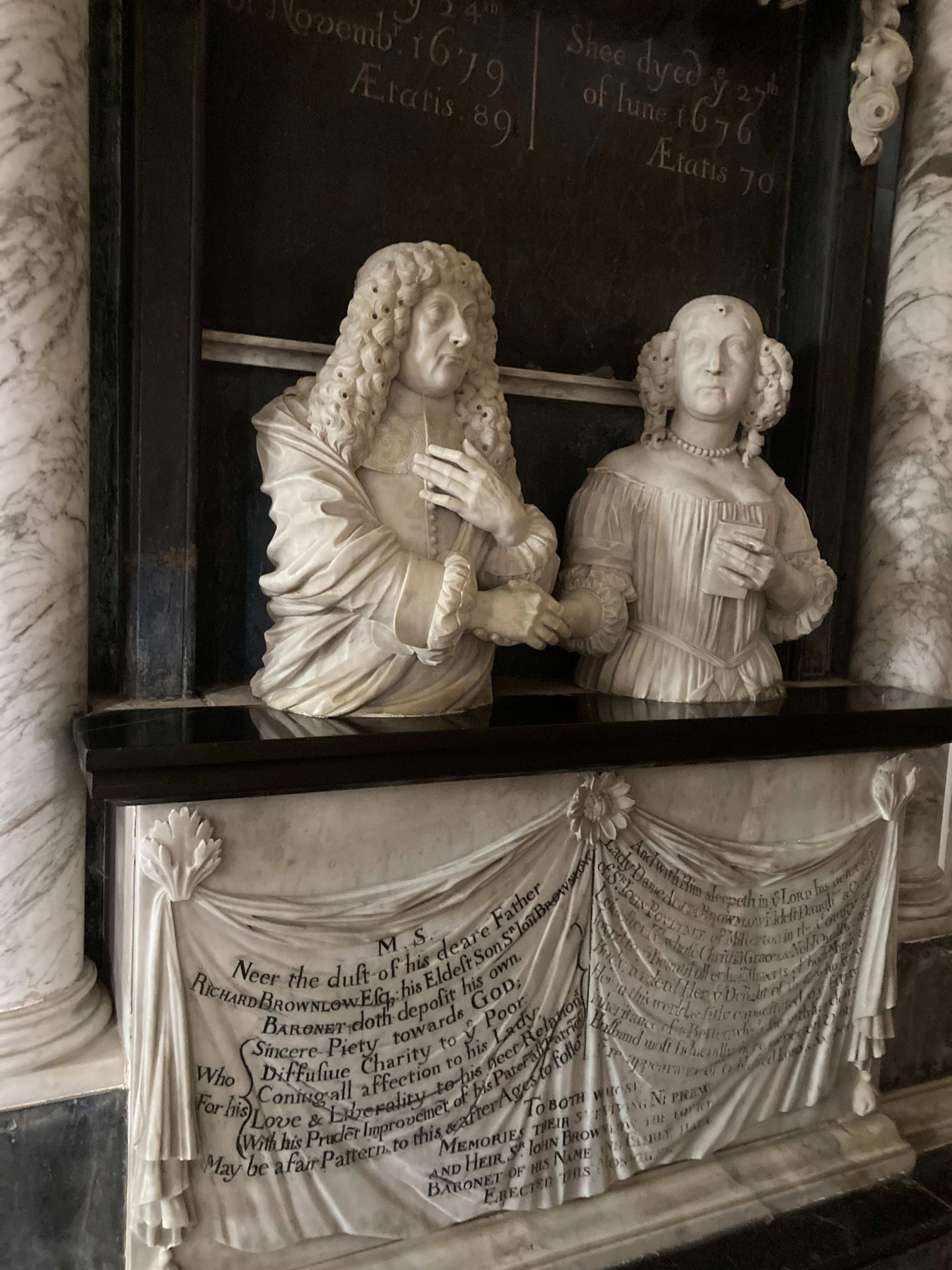
Meet the Brownlows. My husband and I came across them on a trip through the English countryside. In the 17th century, it was common for the English aristocracy to commission marble statues of themselves to stand outside their burial vaults, displaying their wealth and ensuring they’d be remembered.
If you’re going to the trouble of having a stone statue made in your image, I bet you think long and hard about how you wish to be represented.
When we came across the Brownlows, I joked that if I were commissioning a statue of myself, I’d be holding my “Black Book”--the paper planner in which I record my appointments and everything I want to accomplish.
I acquired my Black Book when I “semi-retired” from the workforce to spend more time with the kids. When I downshifted from the structured, fast-paced world of Corporate America, I was floundering. Though I was only in charge of a two-year-old and a newborn and had no profit goals for the year, I struggled to make order out of the chaos.
Desperate to reclaim some semblance of a routine, organized world, I turned to the tool that had kept my professional life on track, ordering a Day Minder Weekly/Monthly Planner to keep on our kitchen desk.
My Black Book proved to be the compass I needed. It became like my operations manual. If you ask my husband or daughters, they will tell you it seems as if few things happen in my life unless they are first written in my Black Book.
The Black Book has helped me keep all my plates spinning. I just have to remember two things to keep its power in check.
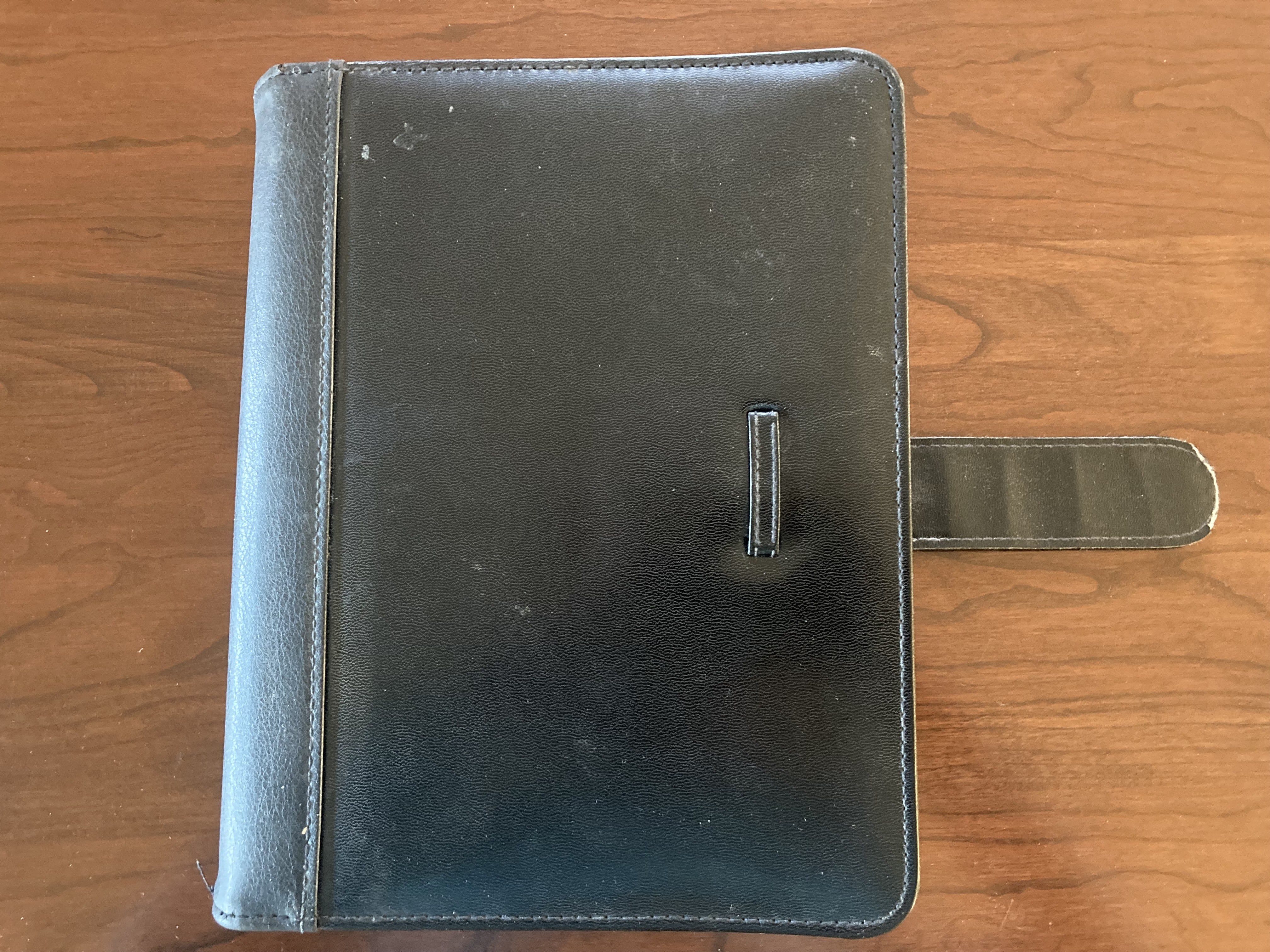
The Black Book is a good servant but a bad master
Though my Black Book helps me keep all of the balls in the air, I have to watch that it doesn’t become the boss of me.
If I let myself, I can become the worst manager I’ve ever had, assigning myself more tasks than I can reasonably tackle in a week. When that happens, I end up feeling bad about myself.
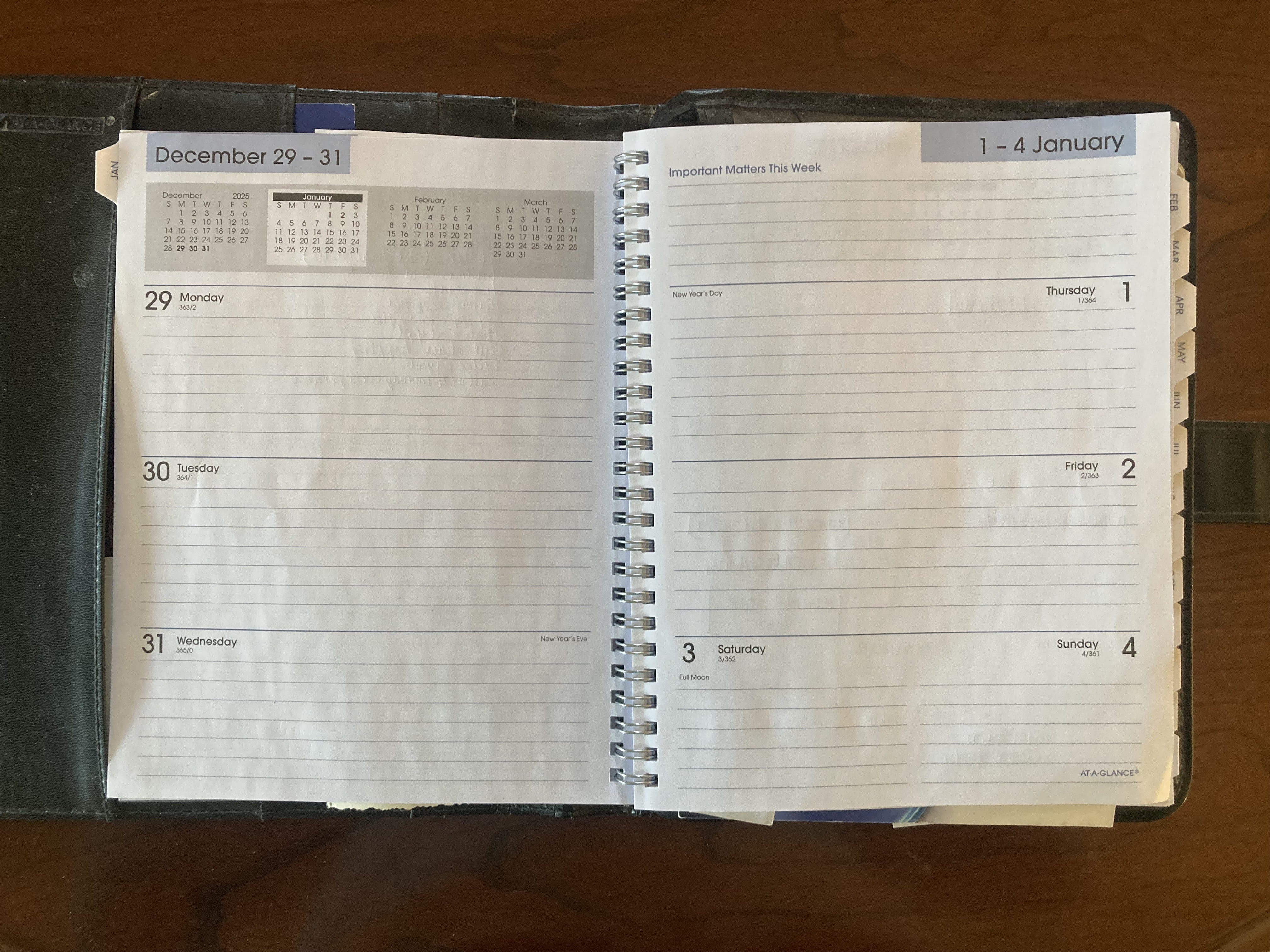
What I’ve learned to do instead is to look at the “Important Matters This Week” list and consider whether I’d burden an employee I valued with the same number of assignments. Then I adjust accordingly.
I also try to remember that even if I don’t cross everything off my to-do list, it doesn’t mean that I’ve failed. As long as I’ve done my best to tackle the list, prioritizing those things that can’t fall through the cracks without causing major disruption, I’ve done enough.
After all, we’re meant to be human beings, not human doings.
What matters most can never be at the mercy of what matters least
My Black Book helps me set my agenda, but I have to be careful.
There’s no denying that I get a little dopamine hit every time I cross something off my to-do list. That feeling of satisfaction from having accomplished a goal can be hard to beat.
But if I only seek those dopamine hits, there’s a risk of being so focused on getting things done that I might not always spend my time wisely.
There’s nothing wrong with having an agenda, but I have to leave space for other humans who might surface on any given day and require some of my attention: A friend who needs someone to listen and empathize. A family member who’s created a mess and could use some help cleaning it up. A random call from an older relative about nothing in particular, just because they want to talk.
I never know when something may mess with my agenda. And even when these things don’t come with the satisfaction of crossing something off my to-do list, I try to see them as opportunities to serve rather than as demands.
Sometimes those little things end up being the most significant things I invest my energy in all week. So I have to be careful to choose the better part when deciding how to spend my time.
A few years ago, I came across a quote from philosopher Lin Yutang that I wrote down and taped to the plastic inside cover of my Black Book:
“Besides the noble art of getting things done, there is the noble art of leaving things undone.”
Here’s to all of us remembering these words as we make our way through 2026.